A color can shape the message
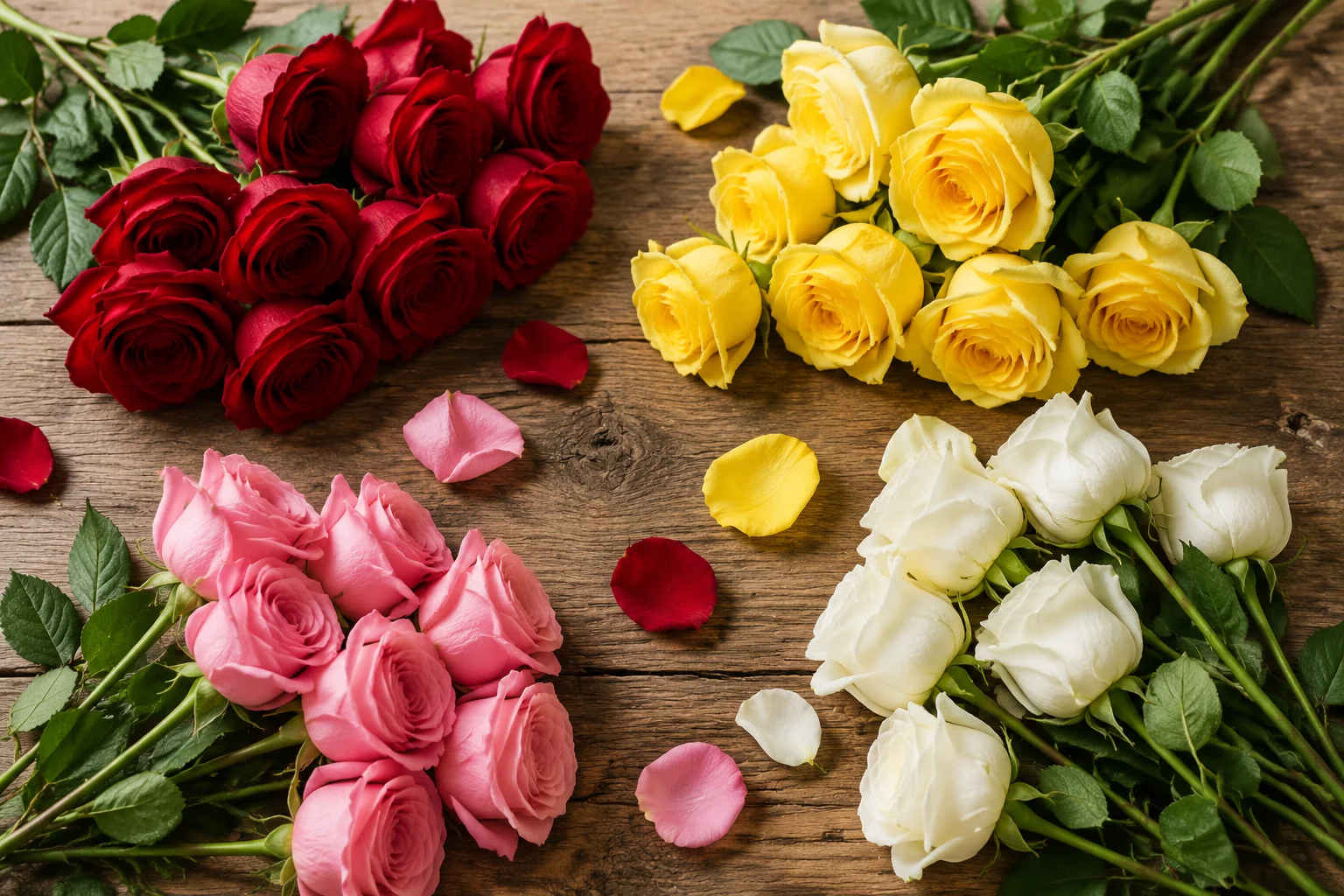
Rose colors have gathered familiar associations over time, making them a simple way to add intention to a bouquet. Red is often chosen for romantic love, while pink can express affection, admiration, or gratitude. White is commonly linked with sincerity and remembrance, and yellow tends to suggest friendship and cheerful warmth.
These meanings are traditions, not fixed rules. They can vary between cultures, families, and personal relationships. The recipient’s taste matters just as much as the symbolism, so use color as a helpful cue rather than a strict code. A short note can make your meaning clear when a shade could be read in more than one way.
What the best-known rose shades suggest
Red roses are the classic choice for deep affection and romance. Pink roses feel gentler: pale pink is often associated with sweetness and appreciation, while richer pink shades can convey admiration. White roses are selected for elegance, new beginnings, or a quiet expression of respect. Their meaning depends on the setting, especially at weddings and memorials.
Yellow roses are associated with friendship, joy, and a bright, welcoming spirit. Orange roses bring a bolder impression and can suggest enthusiasm or fascination. Lavender roses are sometimes used to convey enchantment or a sense of wonder. Because these associations are not universal, choose the color that suits the person and the moment rather than relying on symbolism alone.
Blending shades with care
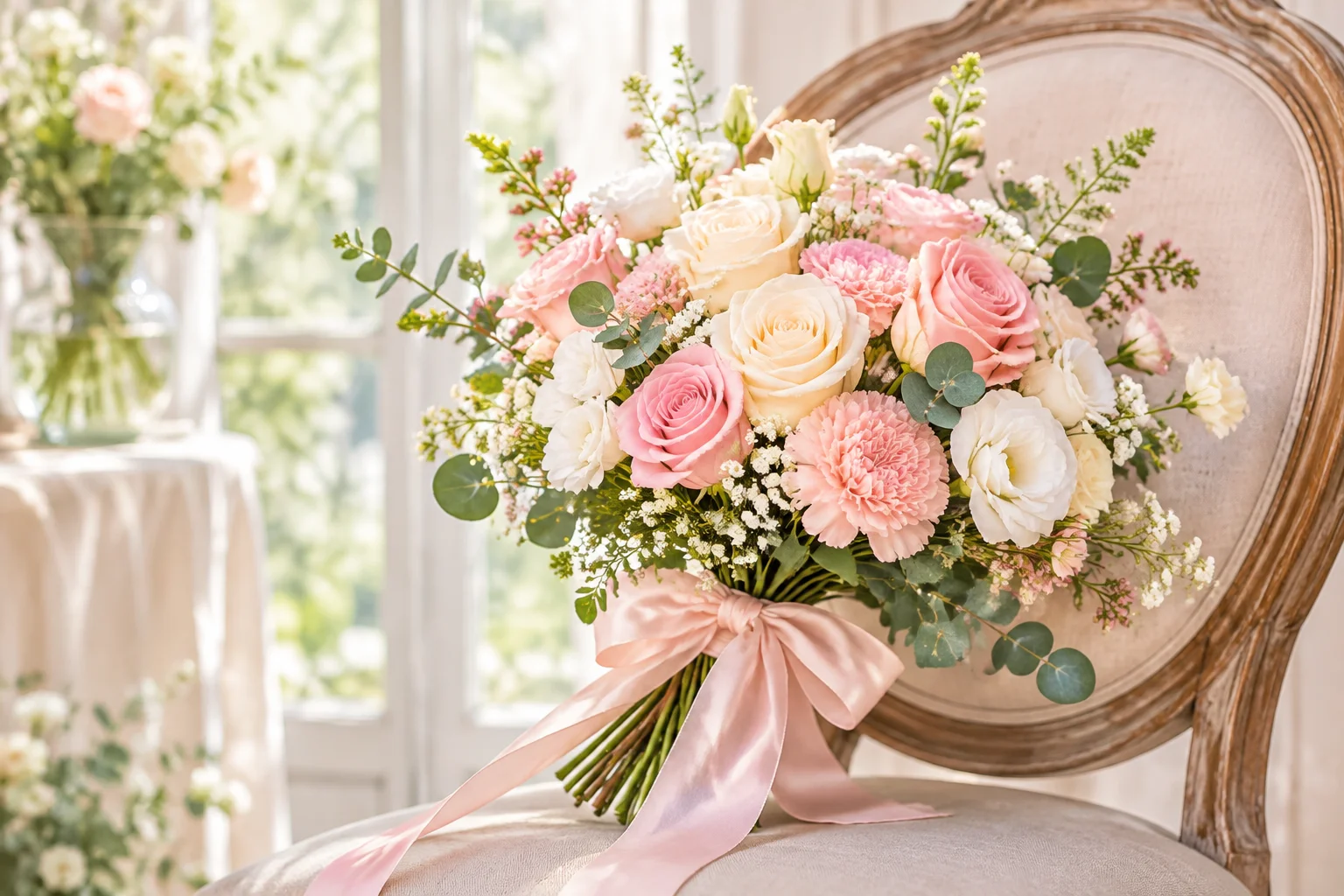
A mixed bouquet can bring several sentiments together. Red and pink may feel romantic and affectionate; yellow with pink can read as warm and friendly. White roses can soften a vivid palette, while orange adds energy. Keep the arrangement focused by choosing one main color and one or two supporting shades. A note with a few sincere words will make the gesture personal.
Choose a rose color for the occasion
For a romantic anniversary or date, red is an enduring option, while pink offers a softer expression of affection. For a friend’s celebration, yellow can bring a sunny, companionable feel. White roses suit ceremonies and moments when a calm, respectful gesture is appropriate. Orange can mark a milestone with energy, and lavender makes a distinctive choice for someone who enjoys unusual colors.
Before choosing, think about the recipient’s favorite shades, the tone of the occasion, and the impression you want the bouquet to leave. There is no need to match a traditional meaning exactly. A favorite color, a carefully chosen mix, and a personal message can make roses feel thoughtful and unmistakably yours.